
Notification Center


Class 1 Grade Crossing Enhancement FAdC and RSR180
Frauscher was approached by a US Class 1 railroad regarding a grade crossing owned and operated by them, on a track crossing a public road. The operator’s main goal was to find a signaling solution that would seamlessly integrate with the current crossing controller and keep the crossing operational under challenging operational conditions. The Frauscher Advanced Counter FAdC and Wheel Sensor RSR180 were chosen as the ideal solution for this particular project.
The high degree of compatibility with crossing controllers gives Frauscher's axle counting solutions the ability to upgrade the performance of grade crossings, as demonstrated in this Class 1 project. The Frauscher Advanced Counter FAdC and Wheel Sensors RSR180 addressed persistent issues at a crossing prone to flooding and poor track conditions, causing shunt issues for the existing signaling system. Installed as an overlay to the current signaling system and operating in shadow mode during the trial, the solution delivered a flawless 12 month performance, confirming its reliability under adverse environmental conditions.
Key benefits of the Frauscher system include its high reliability and resilience in challenging weather and track conditions, significantly improving the uptime and availability of grade crossings. Advanced features of the FAdC, including Supervisor Track Section (STS), enhance the availability of the system by bypassing potential external interferences without compromising safety or system integrity. The STS system was not activated during the trial, since the axle counting system operated without a single fault throughout the 12 month trial.
The system's modular design simplifies integration with existing crossing controllers, offering flexible input/output connections to adapt to diverse requirements. Its ability to function independently or as an overlay to traditional track circuits ensures uninterrupted operation, even during failures in the existing system.
Furthermore, Frauscher wheel sensors can be installed in minutes without drilling using the patented Frauscher rail claw, which reduces installation time and labor costs. Additionally, the system features the Frauscher Diagnostic System FDS, a diagnostic interface for real-time monitoring and troubleshooting.
The trial's success highlights this Frauscher solution as a reliable and easy-to-implement fix for various grade crossings. Traffic flow and safety are improved, particularly in areas susceptible to harsh environmental conditions.
Reliable Performance in Adverse Conditions
Frauscher's axle counting systems operate reliably in challenging operational conditions, ensuring uninterrupted operation and increased uptime for grade crossings.
Seamless Integration with Existing Systems
The solution can be used to overlay or complement traditional track circuits, enabling seamless integration with existing systems.
Efficient Installation and Maintenance
Frauscher's rail claws enable fast installation without drilling, while the Frauscher Diagnostic System FDS allows real-time monitoring and troubleshooting to support ongoing maintenance efforts.
This might also interest you
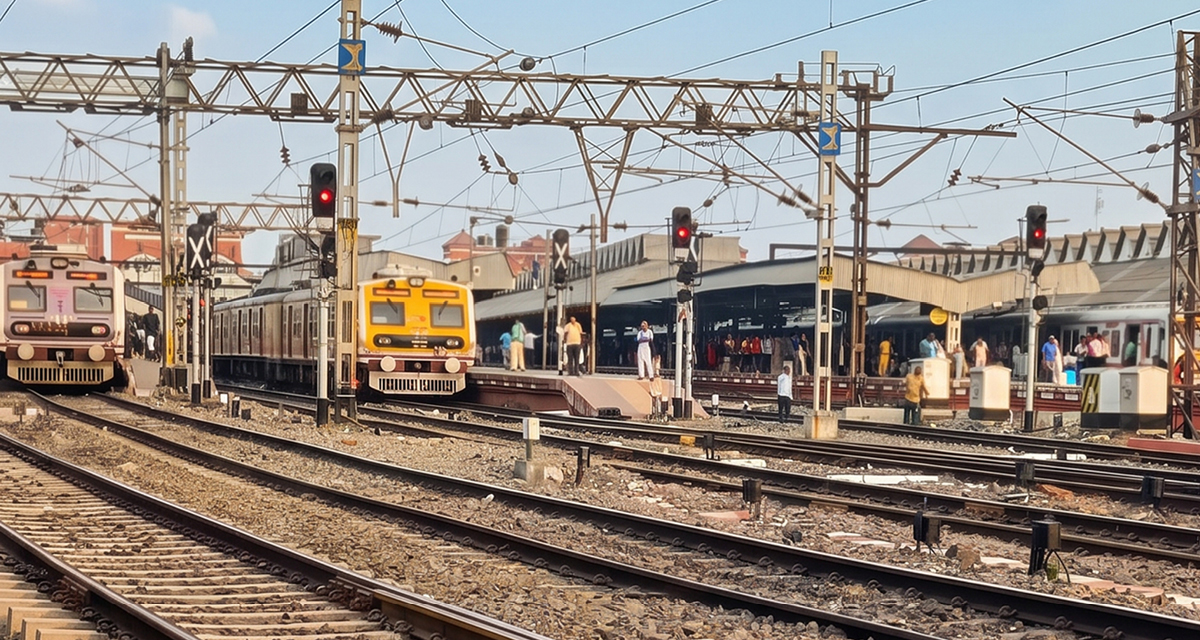
Reliable train detection in flood-prone Howrah Yard
Cutting delays through data-driven maintenance
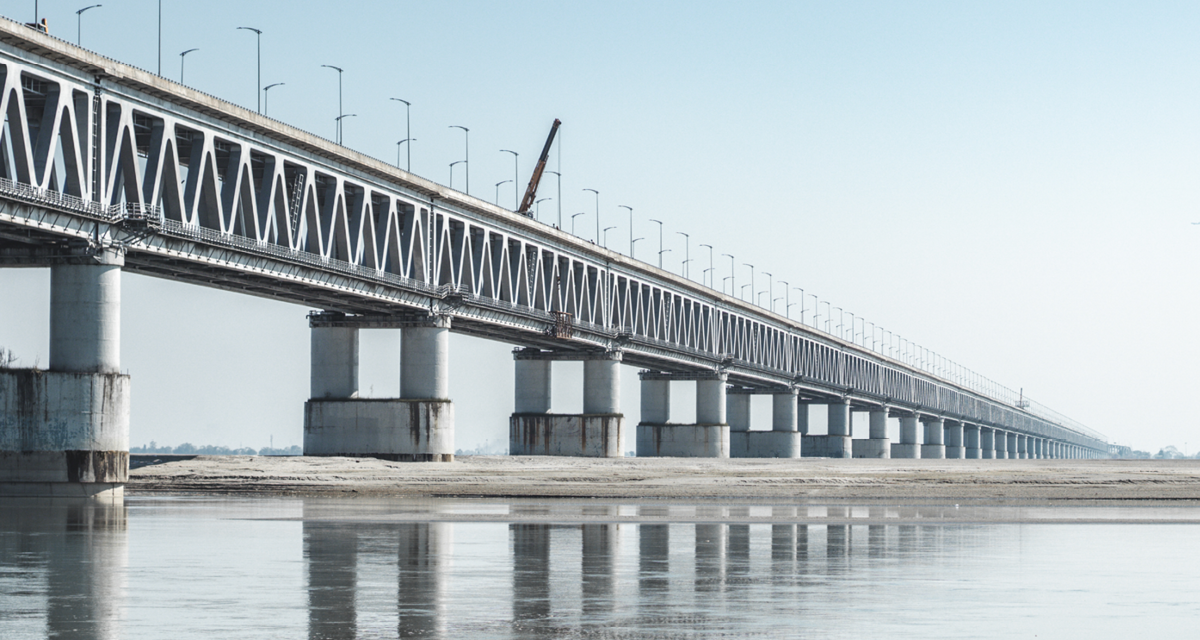
Ensuring reliable rail operations across India´s longest railroad bridge
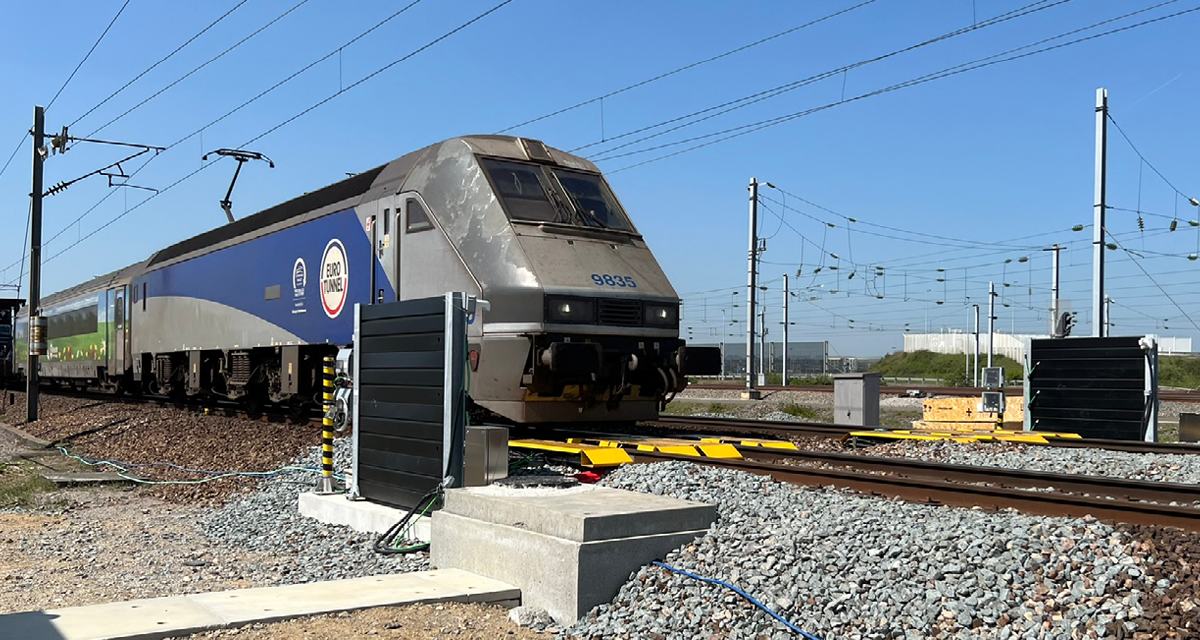
Axle counting adds fail-safe control to laser diagnostics
